20 Inspiring Quotes About Mesothelioma From Asbestos


Mesothelioma From Asbestos
Mesothelioma is a form of asbestos that develops in the linings of organs such as the lung (pleura) the abdomen, and the heart. It can also affect the skin and testicles.
A doctor can require a CT scan, MRI or X-ray to check for mesothelioma symptoms and signs. They will ask you about your asbestos exposure and the symptoms.
Symptoms
Malignant mesothelioma is an aggressive cancer that forms in the lining of organs and tissues known as the mesothelium. The type and stage determine the symptoms of mesothelioma which can include chest discomfort and difficulty breathing. The condition can affect lungs, the abdomen or the heart. Symptoms usually do not appear for decades after asbestos exposure. In the beginning stages mesothelioma, it can be mistaken for flu or pneumonia. As the disease advances, it becomes harder to identify.
The majority mesothelioma cases result by exposure to asbestos. Asbestos is a group of minerals with very thin, tough fibers. In the past asbestos was used in shipbuilding, construction and manufacturing. Asbestos fibers are often taken home by people who wear their hair, clothing, and skin. People who live with mesothelioma may also be at risk of being exposed fibers.
Asbestos is the most frequent cause of mesothelioma in men. Mesothelioma occurs most commonly in the lung lining (pleural mesothelioma). It can also affect the lining of your tummy or the testicles, as well as your heart (peritoneal mesothelioma).).
It is essential for anyone who has been exposed to asbestos to discuss their history with a doctor. This will ensure that mesothelioma is diagnosed and treated as early as possible.
When mesothelioma first appears the doctors will typically conduct imaging tests to determine the presence of lumps and masses. They can be as simple as CT scans and PET scans. These tests can help pinpoint the mesothelioma's site and exclude other diseases. Imaging alone isn't enough to diagnose mesothelioma. A biopsy is needed to confirm the diagnosis.
Biopsies are the process of taking a small sample of tissue to examine under a microscope. They can determine the type of cancerous cells, as well as the mesothelioma type. Epithelioid mesothelioma accounts for 60 to 70 percent of all diagnoses, while sarcomatoid mesothelioma accounts for the remaining 10% to 15%. Biphasic mesothelioma is a mesotheli that contains both epithelioid- and sarcomatoid-cells.
peritoneal mesothelioma not caused by asbestos can help improve breathlessness caused by fluid buildup in the lungs. VATS is a kind of surgery that involves removing the affected membrane through a chest tube. Other methods, including radiation and chemotherapy, can improve the ability to breathe and reduce discomfort.
Diagnosis
Mesothelioma is difficult to identify because symptoms can be similar to those of other diseases. If you have mesothelioma symptoms, schedule an appointment with your doctor. Discuss your asbestos exposure with them and inform them the exact symptoms you are experiencing. This will help them understand your concerns and eliminate other illnesses before they look for mesothelioma.
Mesothelioma usually develops in the lining of the chest (pleural mesothelioma) or in the lining of your abdomen (peritoneal mesothelioma). It can also affect other areas of the human body, such as the testicles and heart. Mesothelioma that is early in its development is typically mild, and symptoms can be misinterpreted as other illnesses like pneumonia or influenza. Additionally, mesothelioma may take up to 50 years to show signs of onset and symptoms typically manifest in older people.
Physical examination is the initial step in a mesothelioma diagnosis and includes an examination of the chest cavity and taking a complete health history. The doctor will examine for lumps and unusual changes on the chest wall and the lungs. The patient should also discuss their job and any asbestos exposure history during this period.
If mesothelioma is suspected, doctors will order imaging scans to better see the affected regions of the body and identify tumors or fluid build up. The most frequently used imaging tests for mesothelioma are X-rays (or computed tomography) scans (CT scans) and magnetic resonance imaging scans (MRI).
These tests can provide images of organ structures inside the body. They can aid in determining the stage of mesothelioma which tells you how far the cancer has advanced. A CT scan is a procedure that takes multiple X-rays of chest and abdomen and then creates a three-dimensional and cross-sectional image. Mesothelioma specialists are trained to identify mesothelioma from these images.
A pleural mesothelioma biopsy is the only method to confirm the diagnosis of mesothelioma. A pleural biopsy is performed by injecting a needle in the chest wall to take samples of cells. The procedure is typically performed by a specialist in lung surgery and may require general anesthesia. Other methods to obtain mesothelioma tissue are thoracentesis, video-assisted surgery for thoracoscopy and open thoracotomy.
Treatment
When asbestos fibers get stuck within the body, they can damage tissue and can cause scarring. As time passes, this can lead to an aggressive tumor that is referred to as mesothelioma. Often, mesothelioma develops in the organs' linings, including the lungs, peritoneum and abdomen. Mesothelioma is usually diagnosed between 20 and 60 year after exposure. It is possible that symptoms will disappear, so it is important to speak with a doctor about any unusual symptoms.
The shortness of breath is often the first sign that mesothelioma is developing. Other signs include fatigue and weight loss. It is often difficult to diagnose mesothelioma, as the signs are similar to other conditions. This is especially the case for pleural msothelioma that affects the lung. It is usually seen as a lump on the chest wall.
To determine if mesothelioma is present doctors will collect a sample of fluid or tissue from the affected area and test it for cancerous cells. The doctor will use a needle to insert through the skin, or more often an area of tissue during surgery. In some instances the surgeon will cut a tiny incision and then insert a tube that has a camera to look inside the chest. The surgeon will then use specific tools to remove tiny amounts of tissue to allow for testing.
Blood tests can help doctors determine the type of mesothelioma that you have and how advanced it is. These tests will look for certain proteins released by mesothelial cells that are cancerous. Blood tests can also test for elevated levels of specific chemicals, including calcium and phosphorous. Both are correlated with mesothelioma.
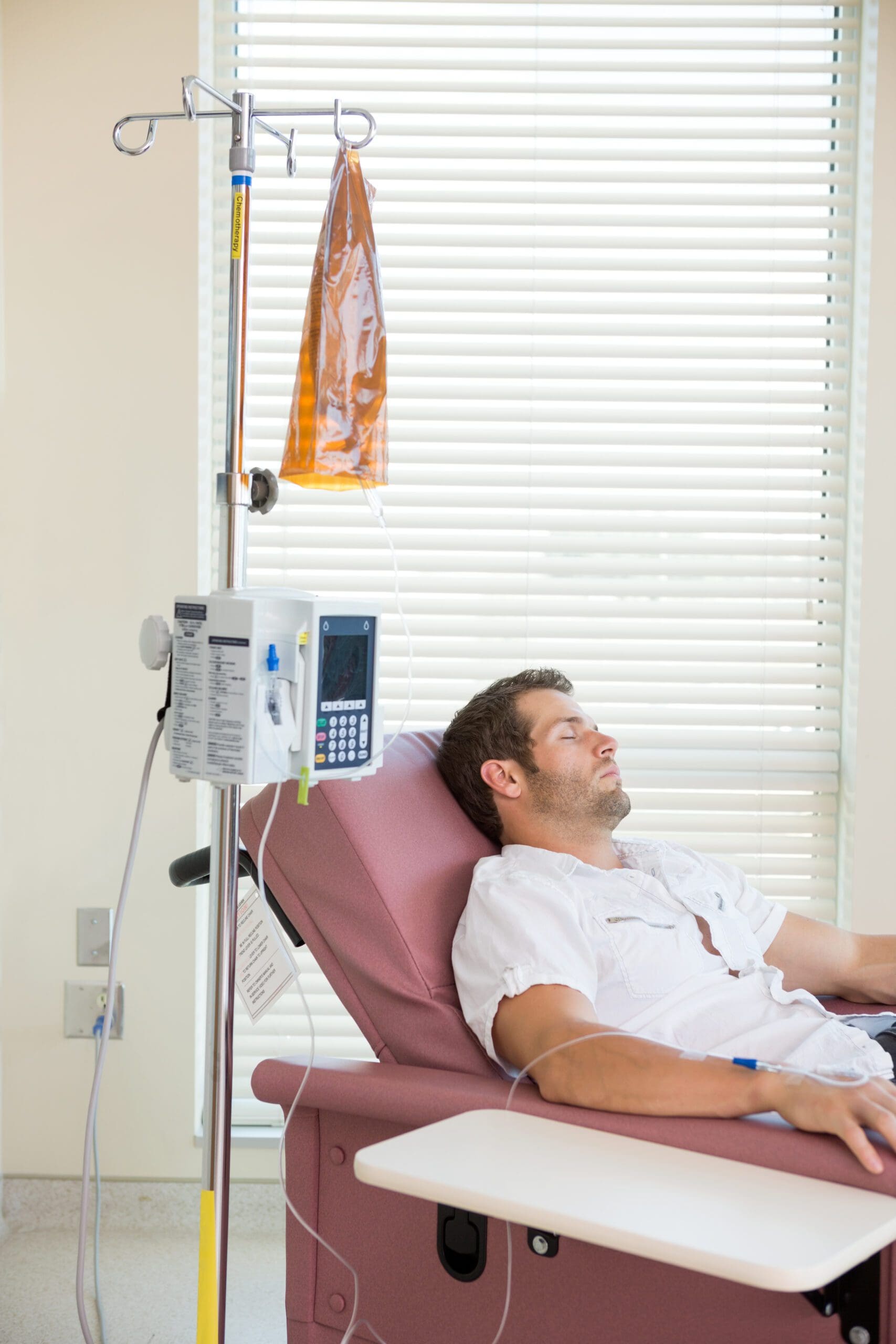
There are a variety of treatment for mesothelioma. They include chemotherapy, surgery, and radiation. But, since mesothelioma is a rare disease and the symptoms can be so severe it can be difficult to find the appropriate treatment plan. The aim of mesothelioma treatments is to improve patient quality of life and prolong their life span. New treatments are being evaluated in clinical trials. These treatments include immunotherapy and chemotherapies.
Prognosis
A patient suffering from mesothelioma needs to be under the care of a specialist. Doctors can check for mesothelioma with the help of special imaging techniques, such as MRIs, CT scans and ultrasounds. These tests can detect lumps or accumulation of fluid. The doctor will then perform an examination to confirm whether these signs are cancerous.
Mesothelioma is a rare form of cancer that is invasive and rare, could be fatal. It develops in the lining surrounding organs such as the abdomen, lungs, and heart. Asbestos exposure is a major cause of this condition. It is possible that people were exposed to the fibers when working in industries such as military service, construction manufacturing, mining, and manufacturing.
The cancer may take years to show up. The symptoms can be serious and even life-threatening. Mesothelioma is most prevalent in the lung's lining (pleura) however it can also affect the lining around the abdominal cavity and chest wall. A patient may experience breathing difficulties, swelling, pain around the abdomen and chest and weight loss as well as fever and cough.
The symptoms may be similar to those of other diseases that make it difficult to determine. The doctor will conduct an extensive medical history and look for factors that could make mesothelioma more likely for diagnosis, such as asbestos exposure.
Doctors can also conduct physical examinations and look for signs of mesothelioma such as fluid in the chest cavity or the abdomen. They may also order an X-ray or CT scan. These tests can help determine the location of tumors or fluids and help determine whether it is an aggressive mesothelioma.
Researchers are seeking ways to detect mesothelioma earlier. A new blood test, for instance one, can detect the biomarker mesothelioma cells release into bloodstreams. This could help in diagnosing the disease faster and better odds of a positive outcome.
If a person is diagnosed with mesothelioma, they should consult their physician about the benefits available under workers' compensation. Compensation for mesothelioma can help pay for treatments or other expenses. People who are diagnosed with the disease must seek legal representation to ensure their rights.